
In many communities across Burundi, women carry the quiet responsibility of holding their families together. They manage their household and care for their children, often with limited resources. In a country shaped by years of conflict and instability, these responsibilities often come with the aftermath of loss, displacement, and uncertainty.
Faith in Action Africa was formed in 2003 during a period of unrest, shaped by the lived experiences of women who understood these realities firsthand. For its co-founder Virginie Niyizigama—who grew up witnessing the impact of civil war and the strength of women rebuilding their lives against overwhelming odds—the vision was clear: lasting change begins when women are supported to lead their own recovery.
Where Women Find Strength Together
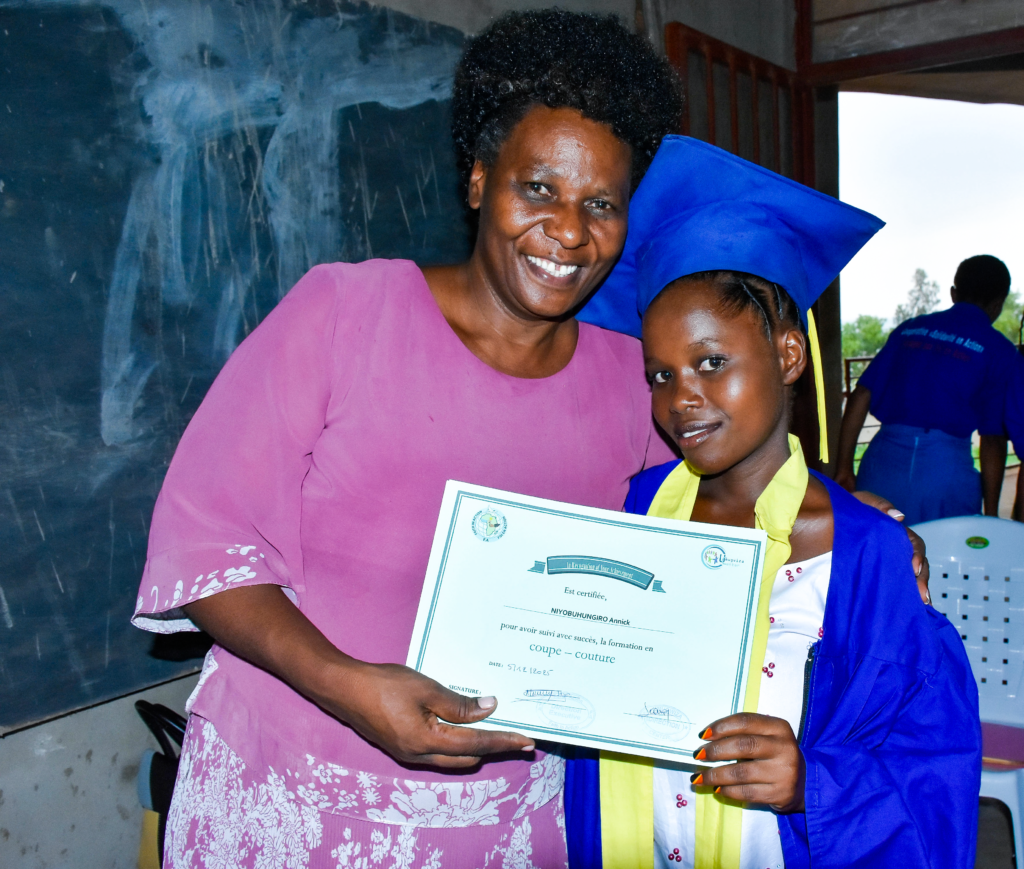
At the center of Faith in Action Africa’s work are Self-Help Groups, small groups of women who meet regularly to save together, learn together, and support one another. These gatherings go far beyond financial assistance. They are spaces of trust where women share experiences, build their confidence, and begin to see themselves not only as survivors, but also as leaders.
“When women face challenges alone, it can feel overwhelming,” Virginie explains. “But when they come together, they realize they are not alone.”
One of these women is Jacqueline.
A widow and mother of six, Jacqueline supported her family through farm work, earning just enough to meet daily needs. For her, the future often felt uncertain, especially as new caregiving responsibilities emerged within her family.
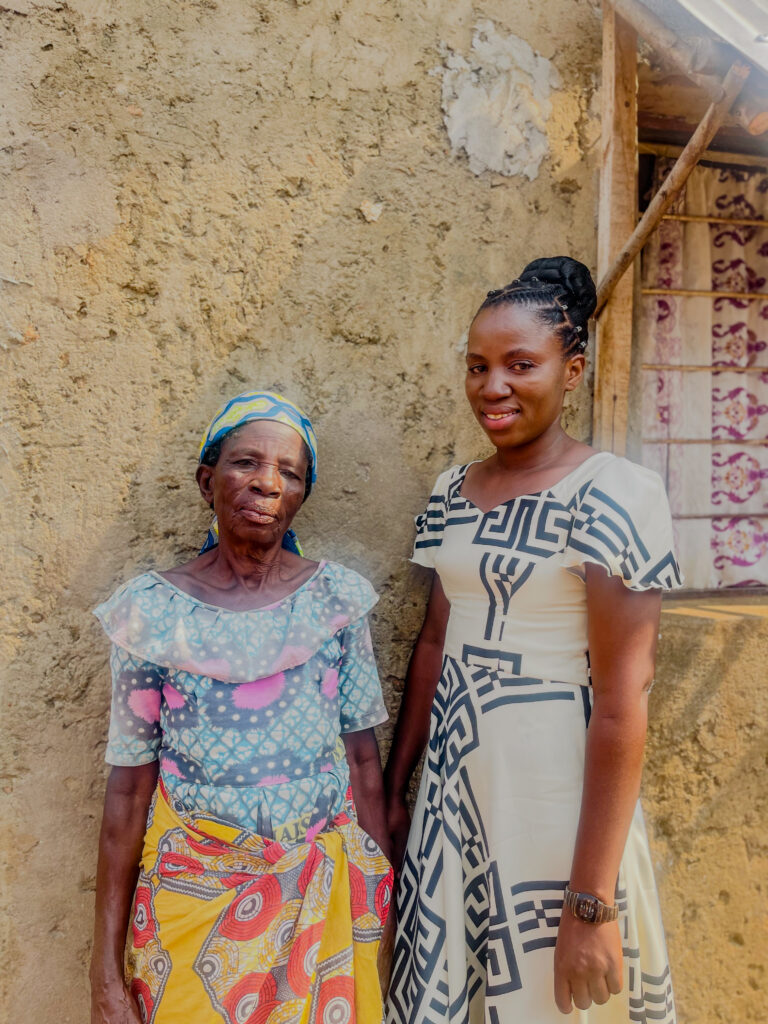
When her daughter became a young mother, Jacqueline stepped in to provide stability and care for both her daughter and grandchild. Like many families navigating unexpected circumstances, Jacqueline worried about the growing financial pressure and how best to support her family.
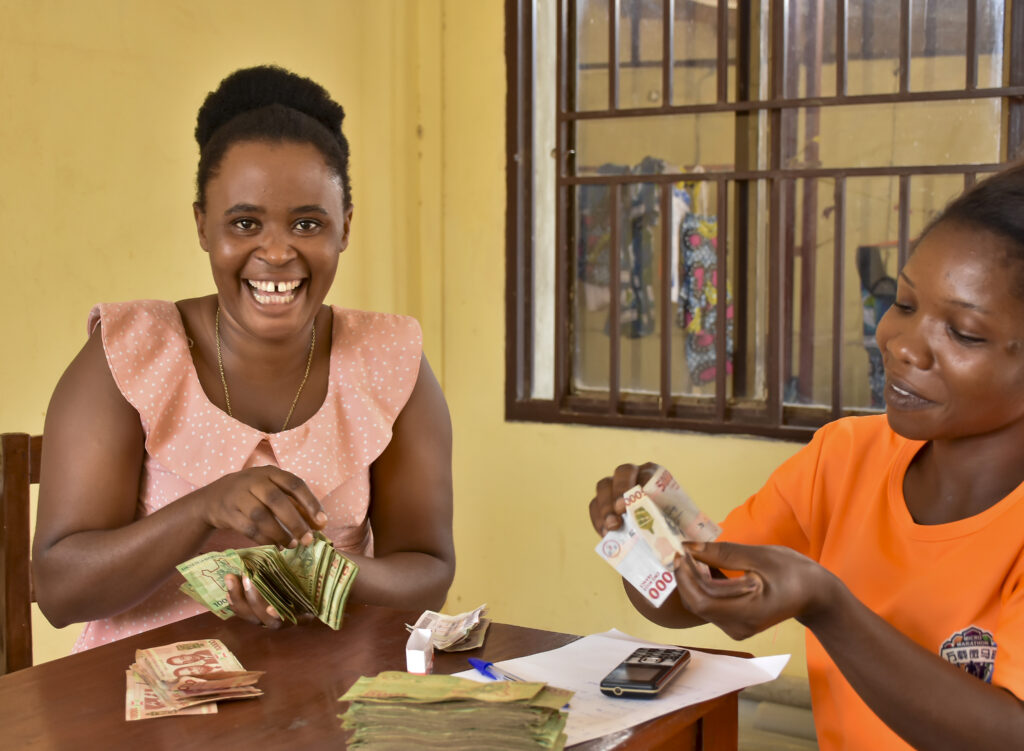
Jacqueline joined a Self-Help Group alongside other women with similar experiences. Each week, they meet up to save small amounts of money, share experiences, and encourage one another. With a modest loan from the group, Jacqueline began a small business selling bananas and cassava bread. Over time, stability slowly returned.
“Being alone makes you more vulnerable,” Jacqueline says. “But in the group, when you face a problem, there are people who reach out and help you.”
The most significant change, however, was not only financial. Through shared learning and support, Jacqueline began to see new possibilities for her family. She was able to support her daughter’s continued education while caring for her grandchild, ensuring that both could move forward with dignity and hope.
Today, Jacqueline is no longer defined by constant uncertainty. She is a provider, a decision-maker, and a source of encouragement to others in her community. Her story reflects what becomes possible when women are supported and given the opportunity to choose a different path.
Across the communities where Faith in Action Africa works, similar changes are unfolding. Women who once struggled to meet daily needs now run small businesses. Children return to school. Women step into leadership roles, mentoring others, mediating disputes, and strengthening community ties.
Turning Generosity into Action
While women’s lives were improving through the Self-Help Groups, Faith in Action Africa was facing challenges behind the scenes. Accessing international support had often meant navigating high costs and complex processes—time that could otherwise have been spent in the field to provide hands-on support to women.
This is where TrustBridge Global stepped in.
Through grants facilitated by TrustBridge in 2025, these barriers were significantly reduced. Faster disbursement, lower processing fees, and clear financial visibility eased administrative strain and allowed more time and resources to flow directly into programs supporting women and families.
As a result, Faith in Action Africa was able to form 49 new Self-Help Groups, reaching more than 1,000 women, expand leadership training, and invest in staff wellbeing—creating the conditions for more consistent, focused support for women and families.
“What we appreciate most is how easy the system is to use,” shared Virginie. “We can clearly track transactions, understand where donations come from, support our financial planning, and ensure accountability. That allows us to focus more on our work with women.”
This partnership with TrustBridge reflects a shared understanding of what generosity can make possible, not just in providing resources, but in enabling others to lead with confidence and care.
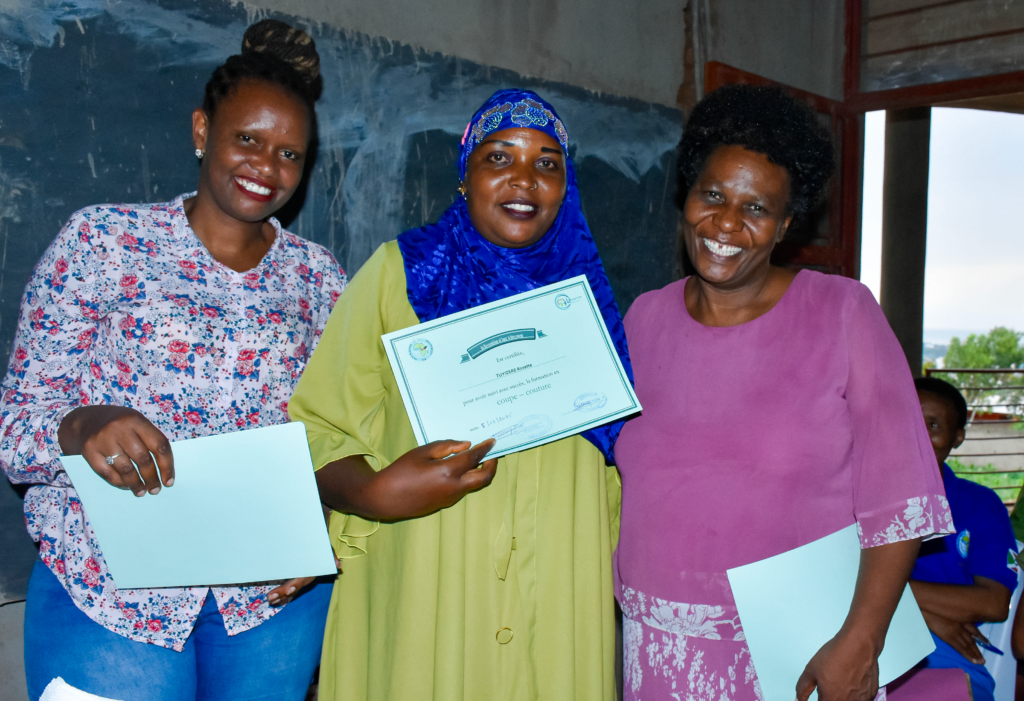
That generosity grows stronger and is now carried forward through the women themselves. What begins in Self-Help Groups extends into families and communities, as women share knowledge, support one another, and step into leadership in everyday ways.
For Virginie, generosity has always meant more than giving. “True generosity,” she says, “is helping someone become strong enough to stand on their own.”
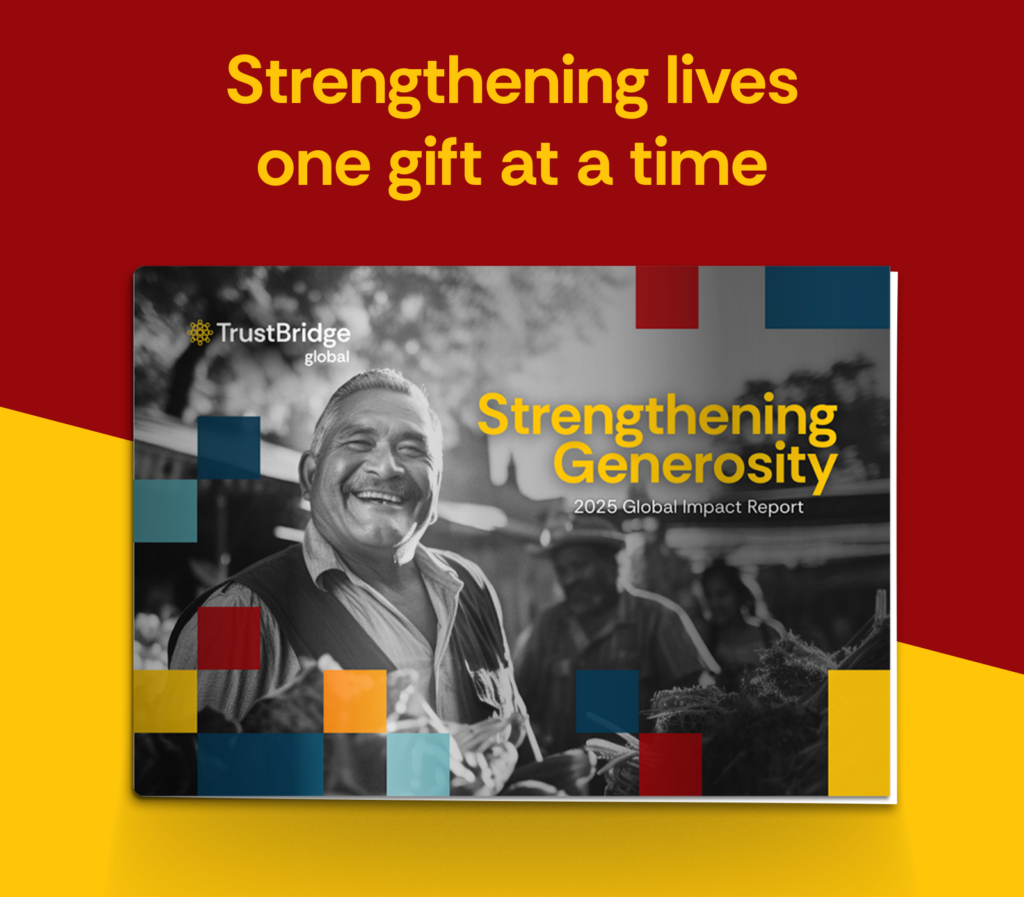
Download the 2025 Global Impact Report to explore how generosity is flowing across regions and beyond borders.