The cold, steel doors shut with a sharp clang behind nineteen-year-old Tobias Merckle as he stepped into the grim halls of an American prison in the Deep South. He’d driven several hours to visit a man he had befriended through a volunteer program in nearby Tennessee—someone whose desperate struggle with addiction had led him back behind bars.
Walking through the harsh, fluorescent-lit corridors, past cramped cells packed with men whose futures seemed sealed by concrete and steel, Tobias felt the crushing weight of a broken system pressing down all around him. The visit lasted only an hour, but its impact would span decades.
As he drove away from the correctional facility that day, Tobias couldn’t shake what he’d witnessed. Here were human beings buried beneath layers of despair with no hope for redemption. Alone in his room that evening, he opened his Bible, seeking clarity.
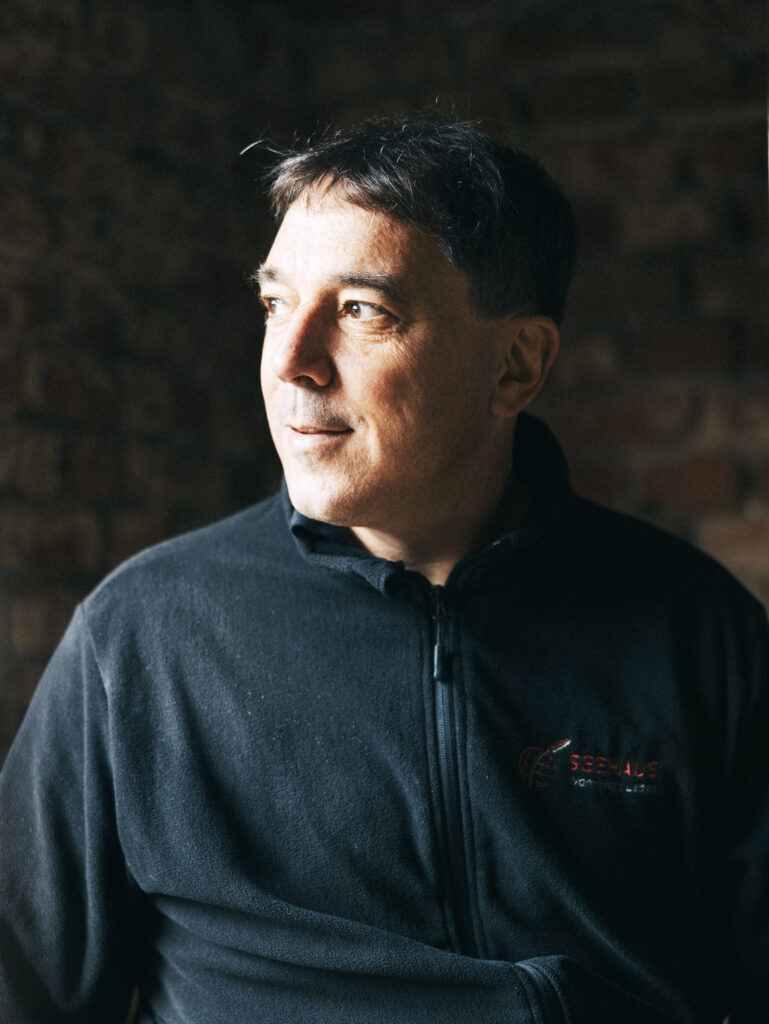
Photo by Thomas Pirot
A fundamental understanding that would guide his life’s work began to take shape: true generosity isn’t just about giving resources—it’s about giving people back their dignity and creating authentic community. “I read my Bible, and it was clear to me that this was my calling,” Tobias says. “I knew that the traditional prison system was not a solution. Not for them, not for the community.” So, he set out to create something better.
Revolutionizing juvenile justice
Heir to one of Germany’s largest corporations, Tobias made the unconventional decision to give up his future in the family business to pursue a life of service. After years of preparation through his work with Prison Fellowship International, an opportunity emerged. The Minister of Justice made it possible for young offenders to serve sentences in a non-governmental institution.
So in 2003, he launched Seehaus, which means “lake house,” in Leonberg as Germany’s first alternative detention facility, housing juvenile offenders in family-like settings on a picturesque, tree-lined campus centered around a stately 17th-century manor. Ten years later, he opened a second location in Leipzig, Saxony in east Germany.
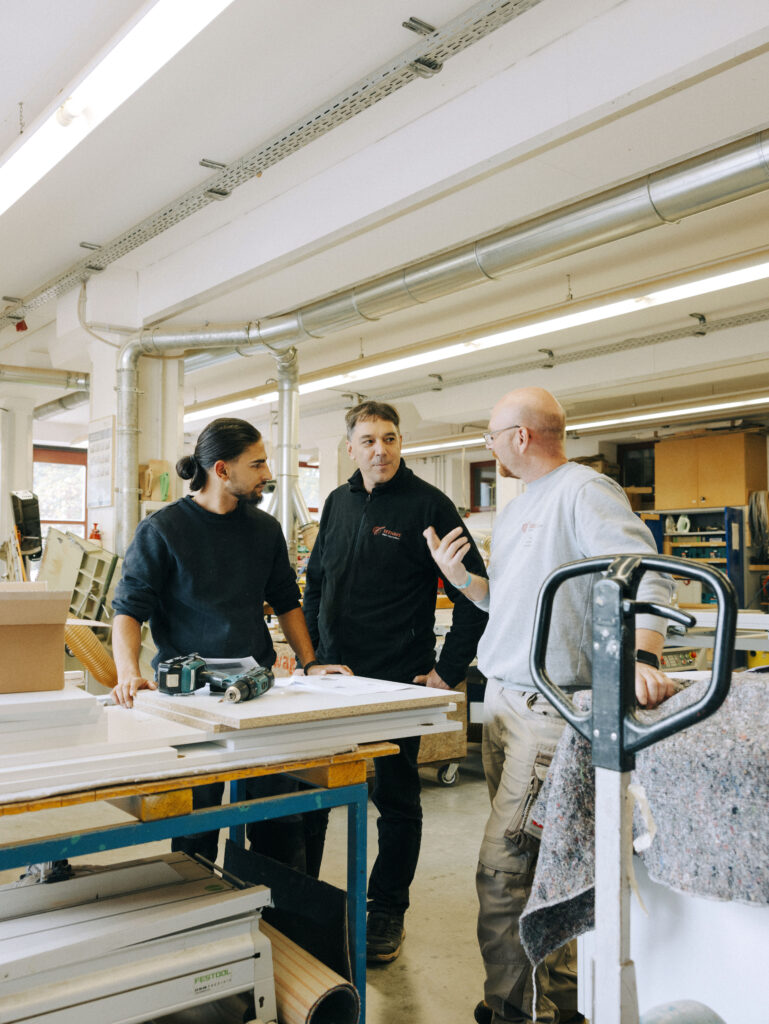
Photo by Thomas Pirot
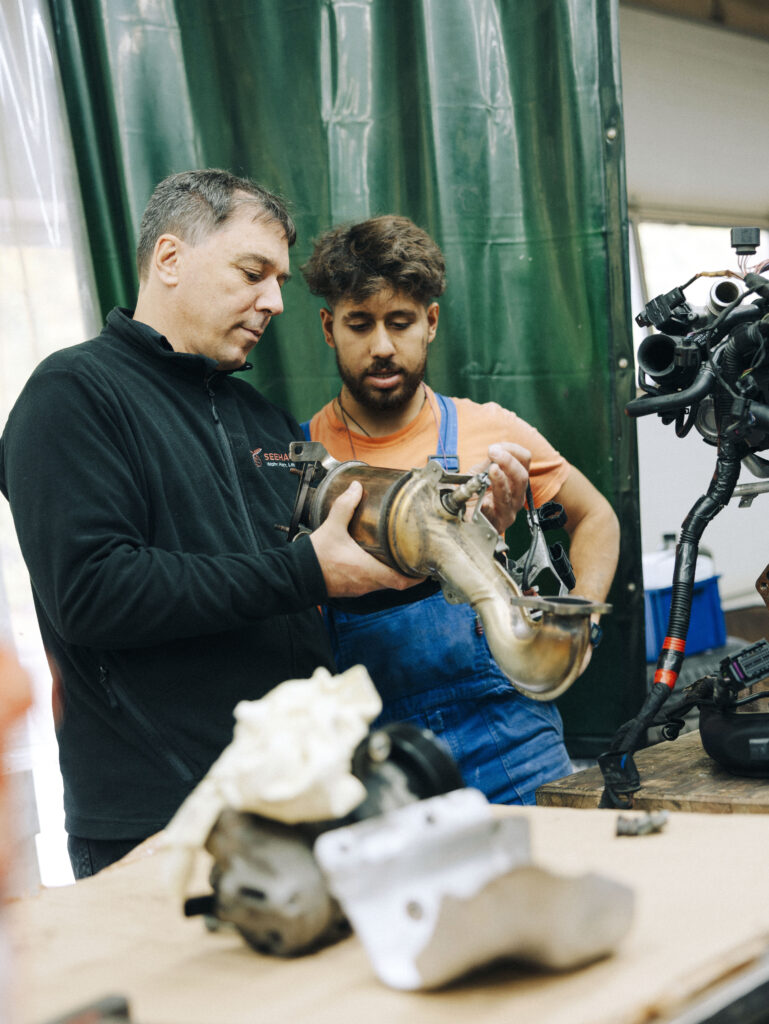
The program’s approach revolutionizes traditional incarceration. Young men live in spacious apartments within buildings overseen by families, experiencing a structured home life that many have never known. Days begin with pre-dawn exercise and last well into the night with the hours full of individual counseling, group sessions, devotions, and Bible reading, as well as vocational training in woodworking, masonry, metalwork, or landscaping.
While thirty percent of participants struggle with the rigorous structure and return to traditional prison, those who complete the program achieve remarkable outcomes: 98 percent find employment, and only 25 percent go back to prison compared to nearly 45 percent from conventional facilities. Over 250 young men have passed through Seehaus doors, with many still in contact years later.
Photo by Thomas Pirot
But his commitment to prison reform hasn’t been limited to Germany alone. What started as a personal friendship with the head of Prison Fellowship in the South American nation of Colombia became a 15-year collaboration that has led to innovative changes in the country—from reconciliation villages that bring together former guerrillas, paramilitaries, and war victims to peace programs in prison for families, and more.
Building hope for refugees
Tobias’s vision for impacting lives extends beyond criminal justice. During Germany’s 2015 refugee crisis, he noticed integration efforts falling short. Refugees lived in converted shipping containers on industrial sites, isolated from German society and excluded from meaningful work opportunities.
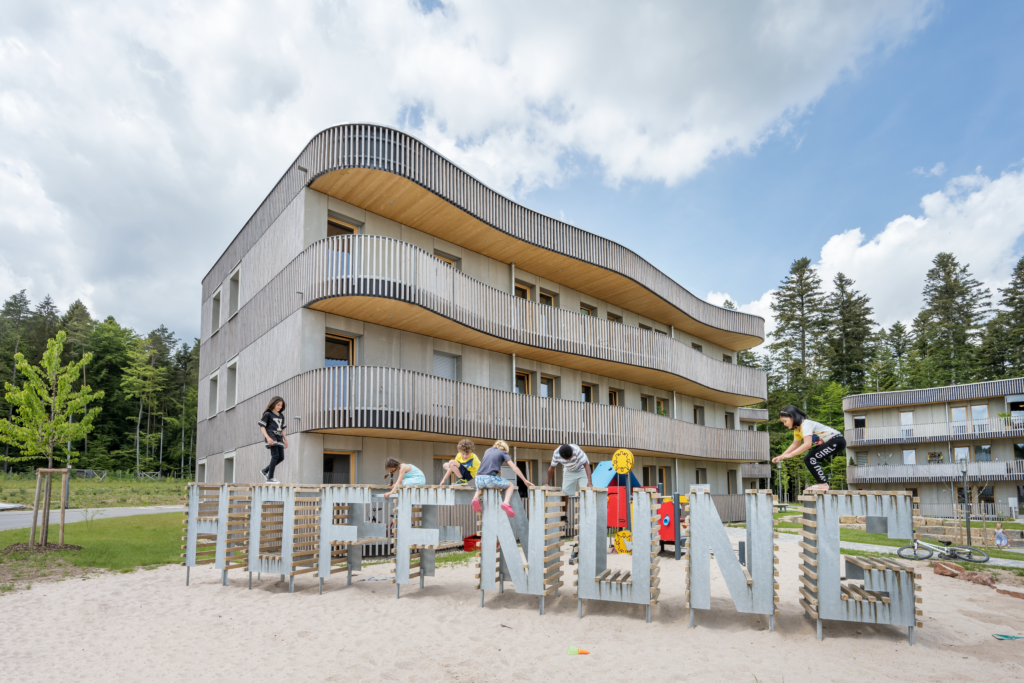
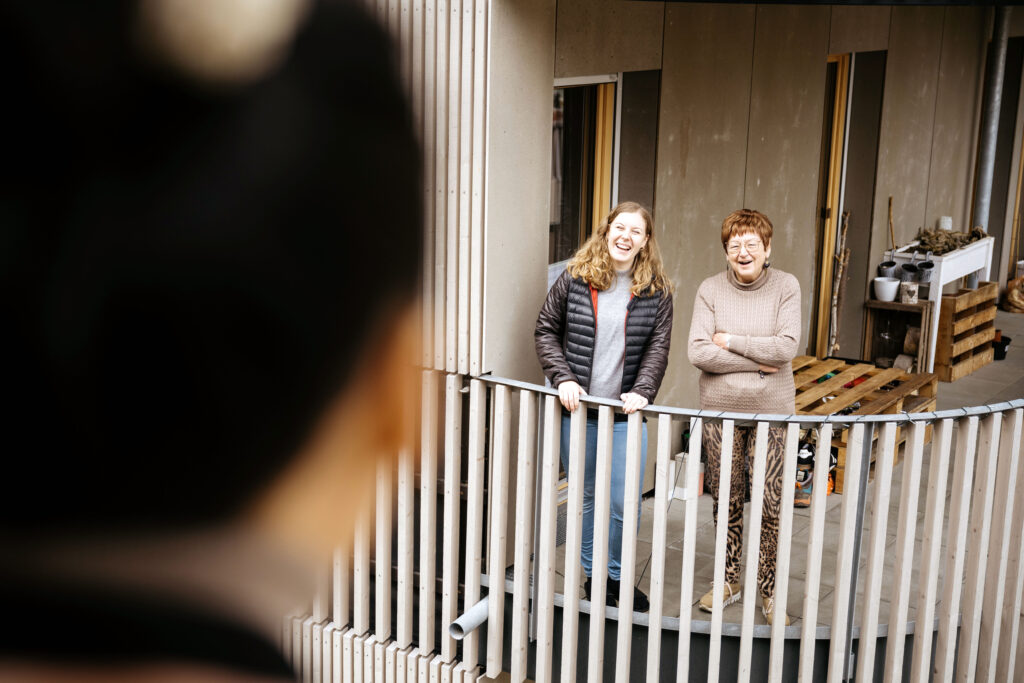
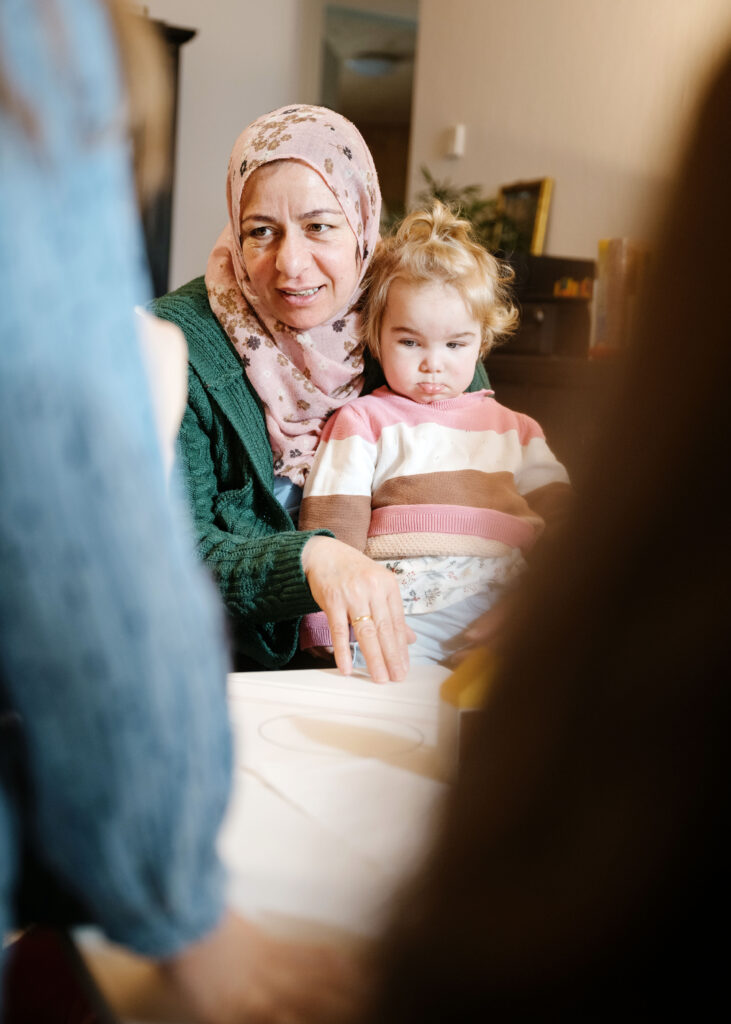
His response was characteristically innovative. He helped build Hoffnungshäuser, or “houses of hope,” where Germans and refugees live side by side in intentionally mixed communities. These integration houses pair fifty percent German Christian families with fifty percent refugees, fostering genuine relationships rather than merely coexisting. Rental agreements carry no time limits, affording refugees with stability while they build new lives.
The approach works: in the first Hoffnungshaus in Leonberg, unemployment among refugee residents dropped from 80 percent to just 11 percent as residents found work in automotive, hospitality, and other industries.
The model now spans 32 houses across 10 cities, with expansion continuing through both foundation funding and crowdsourcing campaigns. Monthly community meetings help residents navigate everything from German bureaucracy to cultural traditions like Kehrwoche, the region’s distinctive community cleaning tradition.
Growing the German generosity movement
Eventually, Tobias developed a desire to engage other philanthropists in his home country. “In Germany, we don’t talk too much about philanthropy,” he says. “But there’s one problem: if you don’t talk about it, nobody else gets convicted or inspired.”
So in 2021, he created Sinngeber, a philanthropic family office in Hamburg, with a vision to remove obstacles to giving and inspire Germans to be more generous. “Tobias founded Sinngeber to help open up all the necessary infrastructure and provide a turn-key solution for everybody who wants to do something for the causes they love,” says Michael Schmid, Sinngeber’s Managing Director.
“There are so many hurdles to giving such as lacking the right competencies, time, infrastructure, and legal barriers. And our mission is, let’s serve others by taking all these hurdles away.”
Removing barriers to international giving
Sinngeber is also a Network Member of TrustBridge Global Foundation, the world’s leading international donor-advised fund platform. “The collaboration and network membership with TrustBridge Global is essential to fulfill our mission of serving others in their giving, as we didn’t have donor-advised funds in Germany,” says Michael. “Our partnership with TrustBridge enables us to scale up giving to international projects and make it strategic, convenient, and safe for the philanthropists we serve.”
Serving for life
For Tobias, his life’s work isn’t charity—it’s stewardship. “Rooted deep in our Grundgesetz, or constitution, is the concept that property entails obligations,” he says. “It’s very important to have that mindset. If I am entrusted with something, I have to be a good steward of it.”
Today, Tobias lives in a modest two-room apartment above a carpentry workshop in the revolutionary detention center he founded. It’s an unlikely choice for someone who could live much more extravagantly. But for Tobias, it represents the pursuit of something much bigger than personal comfort or financial success. “I can’t live somewhere else,” he says. “I have to lead by example. I have a life-long sentence.”
Whether extending second chances to young offenders at Seehaus, offering hospitality to refugees at Hoffnungshäuser, or inspiring generous stewardship through Sinngeber, Tobias has built his life around a radical understanding of generosity.
“It’s definitely worth it to invest in people in the community, in society, and to share what we have received from God,” Tobias says. “I believe it’s not ours anyway, so we can also freely give and freely share and multiply it.”
Download the 2025 Global Impact Report to explore how generosity is flowing across regions and beyond borders.
This website uses cookies to personalize content and to analyze our traffic. To learn more about how we collect and use information on this website, please see our
website terms and conditions
and
privacy policy.
By accepting, you agree to these terms.